Earth's Hot Spots: 10 Geothermal Wonderlands That'll Blow Your Mind!
Advertisement
4. El Tatio, Chile
Advertisement
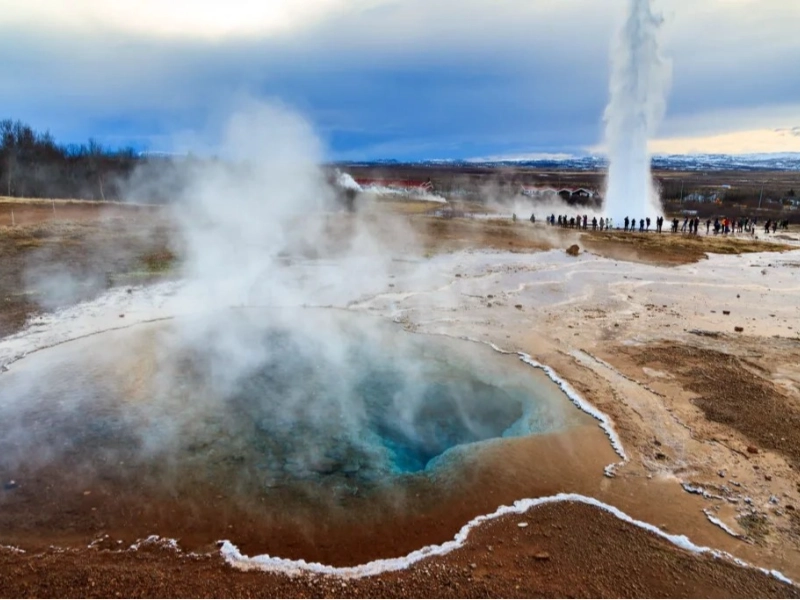
One of the most remarkable and unusual geothermal fields in the world, El Tatio is found in the Andes Mountains in northern Chile. Rising about 4,320 metres (14,170 feet) above sea level, El Tatio is the highest geyser field in the world, producing an ethereal and otherworldly scene that enthrals tourists with its extreme beauty and geothermal wonders. Derived from the Kunza term "Tata-iu," meaning "the grandfather," or "the old man who cries," the name "El Tatio" references the geysers and fumaroles appearing to weep steam and water.Third-largest geyser field in the Southern Hemisphere and third-largest worldwide after Yellowstone in the United States and the Valley of Geysers in Russia, the geyser field at El Tatio spans roughly 10 square kilometres (3.9 square miles) and features over 80 active geysers. El Tatio's geothermal activity comes from a complicated interaction between magma chambers deep below Earth's surface and groundwater. Groundwater penetrates into the hot rock below, superheated and driven up to the surface via cracks and fissures, producing the amazing displays of steam and boiling water defining the geyser field.El Tatio's most remarkable feature is the timing of its most outstanding shows. Early morning, right before and following sunrise, the geysers are most active. Towering columns of steam that can reach heights of up to 10 metres (33 feet) arise during this period when the cold air of the high-altitude environment contrasts sharply with the heat of the geothermal features. These steam columns are backlit as the sun rises and starts to light the scene, producing an ethereal and almost beautiful environment. Travellers from all around the globe risk low pre-dawn temperatures and high altitude to see one of nature's most amazing shows daily.From fiercely exploding geysers to softly bubbling hot springs and scalding fumaroles, El Tatio boasts a varied geothermal feature set. Geysers themselves vary in size and activity; some erupt constantly while others run on more erratic cycles. Rising to six metres (20 feet), the biggest geyser in the field, El Gigante (The Giant), may create an amazing show against the Andean mountains.The geothermal experience gains still another level from the hot springs at El Tatio. Spaced around the geyser field, these hot water pools—ranging in temperature from 30°C to 100°C (86°F to 212°F—have Around their margins, some of these springs have developed vibrant mineral deposits that naturally create "terraces" adding to the landscape's visual appeal. Depending on the mineral content and the kinds of thermophilic bacteria that survive in these harsh temperatures, the colours of these deposits vary from whites and yellows to reds and greeneries.El Tatio's high height adds greatly to its special character. The air is thin and temperatures can vary greatly day to night at more than 4,000 metres above sea level. Because of this hostile environment, specialised flora and animals suited for survival in these extreme conditions have evolved. Vicuñas, a wild relative of the llama, may be seen by visitors at El Tatio feeding on the meagre vegetation that makes sense in this difficult terrain. These tough creatures offer a striking visual contrast against the steaming geothermal features that best captures the fortitude of existence in hostile conditions.El Tatio has similarly amazing geological context. One of the driest regions on Earth, the Atacama Desert hosts the geyser field atop the Altiplano-Puna volcanic complex. Millions of years of volcanic activity have sculpted this area to produce a scene speckled with volcanoes, lava flows, and other geological phenomena. With the heat pushing the geysers from magma chambers deep below the Earth's surface, El Tatio's geothermal activity is intimately linked to this volcanic past.Along with drawing visitors, El Tatio's geothermal characteristics have been the focus of scientific enquiry and enquiry. The geyser field's harsh conditions make it a perfect natural laboratory for researching extremophile organisms, or microorganisms that flourish in settings likely to be fatal for most living forms. These research have consequences for our knowledge of life on Earth as well as for the hunt of life on other worlds with hostile conditions.El Tatio's geothermal resources have also piqued interest for their possible energy uses. Plans to build geothermal power stations in the region in order to take advantage of this natural energy source have existed historically. These proposals have drawn criticism, nevertheless, because of worries about the possible effects on this special ecosystem and the value of El Tatio as a tourist destination and natural beauty.Maintaining this fragile ecosystem at El Tatio depends critically on conservation activities. The area is especially sensitive to human influence because of the delicate character of the geothermal features and the hostile high-altitude surroundings. The geysers and hot springs have been safeguarded with measures including visitor paths and limitations on close access to particular sites. Projects related to education seek to increase understanding of the need of keeping this special environment for next generations.The cultural relevance of El Tatio lends still another level of value. For millennia, indigenous Atacameño people have honoured the geyser field, which influences their spiritual beliefs and customary activities. The hot springs were sought for their supposed therapeutic powers; the steam coming from the Earth was considered the breath of the mountains. With initiatives to include indigenous knowledge and viewpoints into the site's administration and interpretation, El Tatio's cultural legacy remains a major component of its character.Finally, El Tatio is evidence of the unvarnished beauty and force of Earth's geothermal activities. Its high altitude, together with the striking beauty of the surrounding terrain and the dramatic geyser displays, produce a really different and remarkable encounter. El Tatio is still awe-inspiring as a natural wonder, scientific resource, and cultural monument; it reminds us of the amazing variety of the geological features of our world. Apart from preserving this amazing natural occurrence, its appropriate management and maintenance help us to better grasp the geothermal processes of Earth and the life forms flourishing in hostile conditions.
Advertisement
You May Like