3. Haukadalur, Iceland
Advertisement
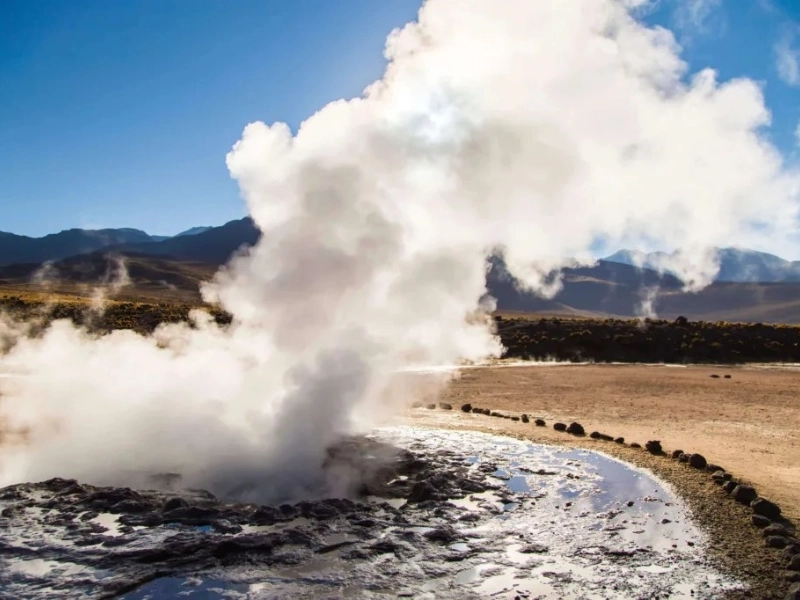
With its amazing exhibition of geysers, hot springs, and fumaroles, Haukadalur, a geothermal valley in south-west Iceland, has captivated travellers for millennia. Haukadalur, which lies along the well-known Golden Circle tourist path, is evidence of Iceland's elevation on the Mid-Atlantic Ridge, where the North American and Eurasian tectonics are gradually separating. Haukadalur is a must-see location for anyone wishing to observe the raw force of Earth's internal heat since its geological environment has produced some of the most amazing geothermal features in the world.Haukadalur's appeal stems mostly from the Great Geysir, from which all other geysers throughout the globe get their name. The Icelandic word "geysa," meaning "to gush," defines the name "geyser." Although the Great Geysir is dormant right now, its historical importance cannot be understated. First noted in historical records in 1294, the Great Geysir has been reported to erupt boiling water up to 70 metres (230 ft) into the air. Its activity has changed over millennia, shaped by human activity and earthquakes; extended inactive eras alternate with regular eruptions. For millennia, the Great Geysir—whose erratic character and striking displays when active have made it a symbol of Iceland's geothermal beauties—a topic of scientific enquiry.Although the Great Geysir might be dormant, the closest Strokkur geyser has grabbed front stage as Haukadalur's most consistent and striking active geyser. Strokkur fires a column of boiling water and steam up to thirty metres (100 feet) into the air erupting every five to ten minutes. Anticipation permeates the times before an eruption as guests congregate around the geyser's pool to see the water bubble and climb before abruptly erupting in an amazing display of natural force. Strokkur is a favourite among photographers and visitors because of its regularity, which gives many chances to see and shoot this amazing phenomenon.Haukadalur boasts a varied assortment of other geothermal features outside of these well-known geysers that add to its unearthly scene. Many hot springs abound in the area, each with special qualities. While some springs are muddy and tumultuous, often bubbling with escaping gases, others are perfectly clear and show vivid blue depths. Different mineral compositions and the presence of thermophilic microorganisms that survive in these harsh conditions produce the colours of these springs ranging from vivid blues and greens to rusty reds and oranges.Haukadalur's fumaroles provide still another level of geothermal enjoyment. Particularly on chilly days, these vents in the surface of the Earth release steam and volcanic gases, which creates a spooky environment as wisps of steam climb from the earth. The continuous hissing and sporadic booming of these fumaroles provide an audible element to the visual feast of the geothermal field, reminding us of the strong forces at action under surface level.Haukadalur's geothermal activity has affected not just the area's natural terrain but also its human past. Local residents have cooked, washed, and bathed using the hot springs for millennia. Historically, bread was made by burying dough in the hot ground—a method still used today as a tourist attraction. Long history of human engagement with geothermal features emphasises the great influence these natural beauties have had on Icelandic way of life and culture.Haukadalur's geothermal activity contrasted with its surroundings produces an absolutely captivating sight. The steam from geysers and hot springs rises against a backdrop of snow-covered hills in winter to produce an exquisite scene whereby fire meets ice. During the long, dark Icelandic winters, when the geothermal features offer a warm, radiant refuge amid the freezing terrain, this juxtaposition is especially remarkable. With vibrant wildflowers often flowering near the margins of hot springs, the rich green foliage around the geothermal area produces a different but equally beautiful contrast in summer.Not only have Haukadalur's geothermal beauties drawn visitors, but also have drawn a lot of scholarly study. The region offers important new perspectives on geothermal processes, mineral deposit creation, and extremophile life in such hostile conditions. Research done in Haukadalur have helped us better grasp geothermal energy potential, Iceland's geological past, and even the likelihood of life on other worlds with hostile conditions.Maintaining this special ecology in Haukadalur depends on efforts towards conservation. Human activity can easily upset the delicate equilibrium of the geothermal features; so, steps have been taken to safeguard the environment while nevertheless letting guests to enjoy its beauties. While educational campaigns try to increase awareness of the need of preserving these natural events for next generations, boardwalks and designated viewing sites help minimise effect on the delicate ground.Finally, Haukadalur is among the best geothermal sites in the world; it gives guests the opportunity to see the Earth's core heat shown in amazing geysers, vibrant hot springs, and steamy fumarols. Its mix of dependable geothermal displays, breathtaking natural beauty, rich history, and scientific value makes it a very special and priceless natural wonder. Haukadalur invites guests to experience personally the dynamic interaction between fire and ice that defines Iceland's geological character, so serving as a microcosm of Iceland's geothermal landscape and inspiring awe, fostering scientific discovery, and reminding us of the strong forces sculpting our planet.
Advertisement